You might be surprised to find how much your confidence can affect your mental health, which in turn plays a huge part in your overall health and well-being. For that reason, it cannot be underestimated as part of a healthy lifestyle.
Part of your self-confidence is based on how people react to you; for better or worse, that can have much to do with your appearance. So, to move away from any unneeded nerves about how you look, you can take action in a couple of areas that can make a huge difference to that all-important first impression.
#1 Improve your posture
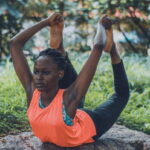
If you are not confident, you will naturally walk in a more hunched manner – but regardless of your age, you can take measures to improve your posture. This can start with a conscious effort not to slouch, but a stooped posture and round shoulders can also be improved over time by the right forms of exercise.
As everybody is different, there is no one-size-fits-all exercise regime, although the first stop for most people will be yoga or Pilates. Ideally, you should consult with medical and fitness professionals to come up with the right plan for you.
#2 Improve your smile
An attractive smile does a lot of the work when you first meet someone, so this will be worthy of attention, too. Your smile could be in need of a little work due to your diet or many health conditions that can affect your teeth and gums. Having a smile that you are not confident about can make you self-conscious or inclined to avoid social contact.
As with your posture, it is probably best to get professionals like Splash Orthodontics involved rather than respond to an advert on social media or follow an online influencer’s advice without any qualification. They will be able to advise you on the best course of action and offer treatment if required.
#3 Improve your opinion of yourself
The final step is not regarding how others see you but how you see yourself. Your self-confidence could have taken a knock because you have set yourself unrealistic expectations by comparing yourself to people you have seen on social media. Instead, you should try to see yourself the same way as the people who love you.
You could also give yourself a boost by using techniques such as affirmations, which you can repeat first thing in the morning or at other times of the day. This does not work for everybody, but it should not be underestimated.
A few final thoughts
Your self-confidence can affect your appearance, which in turn can affect your self-confidence in a vicious circle that leads many people to a life of limited social interaction and poor health and well-being. By looking at a few key areas, you can set yourself on the path to an improved self-image, which can be reinforced by the positive reactions you get from people when you meet them. This can start with your posture and your smile, but the most important step is the one where you improve your opinion of yourself.
Read Also
- Full-Arch Dental Tourism: Why UK Patients With Severe Bone Loss Are Looking Abroad
 Dental implants have become one of the fastest-growing segments of private dentistry. Within that market, one patient group behaves very differently from the rest: people who have been told they do not have enough upper jawbone for conventional implants. For these patients, the choice is rarely between one clinic and another. It is between a… Read more: Full-Arch Dental Tourism: Why UK Patients With Severe Bone Loss Are Looking Abroad
 - Levels of Mental Health Care and When to Seek SupportMental health care can range from occasional outpatient appointments to 24-hour hospital treatment. The appropriate level depends on safety, symptom severity, daily functioning, medical needs, available support, treatment history and personal preferences. A licensed clinician should assess these factors rather than relying on a symptom list alone. Need help now? In the United States, call… Read more: Levels of Mental Health Care and When to Seek Support
- How to Choose a Shilajit Brand Based on the ResearchIn a randomized trial published in the Journal of the International Society of Sports Nutrition in 2019, 63 active men took 250 mg of standardized shilajit, 500 mg, or a placebo every day for eight weeks, and the benefit for strength retention after a fatiguing workout appeared only at 500 mg. For anyone choosing a… Read more: How to Choose a Shilajit Brand Based on the Research
- How to Incorporate Relaxation into Your Busy ScheduleFinding balance when you have a packed daily agenda often feels out of reach. Between work duties, family obligations, and personal projects, personal rest usually gets pushed to the bottom of the list. Small, intentional shifts in daily habits can help restore calm without requiring hours of extra free time. Continue reading to discover everything… Read more: How to Incorporate Relaxation into Your Busy Schedule
- Red Light Therapy for Skin and Wellness: Meet Vital Red Light TherapyModern wellness is not always about complicated treatments or long routines. Many people are now looking for simple, convenient ways to support their skin, recovery, and overall wellness at home. One technology getting more attention is red light therapy. Red light therapy uses specific wavelengths of red and near-infrared light to support the body’s natural… Read more: Red Light Therapy for Skin and Wellness: Meet Vital Red Light Therapy